Skiing is more than a winter pastime—it is a living connection between humanity’s past and present. Long before it became a global sport, skiing was a necessity. Archaeological discoveries show that early civilizations crafted wooden planks to travel efficiently across snow-covered terrain. In regions where winters were harsh and mobility was essential for hunting and communication, skis were tools of survival. What began as a practical invention eventually evolved into a cultural tradition and, later, a celebrated competitive sport.

Today, in 2026, skiing stands as a remarkable blend of heritage and innovation. While the sport honors centuries-old techniques and traditions, it also embraces cutting-edge technology, sustainability, and new forms of expression. From classic alpine runs to creative terrain parks, skiing continues to adapt while preserving its roots.

From Survival Tool to Global Sport
The earliest forms of skiing date back thousands of years, with evidence found in Scandinavia, Central Asia, and parts of Eastern Europe. Over time, skiing became deeply embedded in Nordic culture, especially in Norway, where it transformed from a means of transport into organized competition during the 18th and 19th centuries.
By the late 1800s and early 1900s, skiing had spread across Europe and North America. The rise of ski clubs, organized races, and mountain tourism helped establish skiing as both a recreational activity and a professional sport. The inclusion of skiing in the Winter Olympic Games solidified its global prominence, introducing audiences worldwide to alpine racing, cross-country events, and ski jumping.
As transportation improved and ski lifts were developed, mountain regions became winter destinations. Ski resorts flourished, attracting visitors eager to experience snow-covered landscapes and downhill thrills. The sport’s transformation from survival method to global entertainment was complete—but its deep heritage remained intact.
The Timeless Appeal of Classic Disciplines


Despite waves of innovation, traditional disciplines continue to define skiing’s identity.
Alpine skiing, often called downhill skiing, remains one of the most popular forms worldwide. With its combination of speed, technical skill, and mountain scenery, alpine skiing appeals to recreational skiers and elite athletes alike. Racing events demand precision and courage, while groomed resort trails offer accessibility for families and beginners.
Cross-country skiing, rooted in the sport’s earliest traditions, emphasizes endurance and rhythm. Skiers glide across snowy forests and open fields, propelled by technique rather than gravity. It offers a quieter, more meditative experience compared to high-speed downhill runs.
Freestyle skiing, which includes moguls and aerials, bridges tradition and creativity. What began as playful experimentation evolved into an Olympic discipline, showcasing athleticism and artistic flair.
These classic categories continue to thrive because they represent skiing’s foundation. They remind modern participants that the sport’s essence lies not only in adrenaline but in connection—to nature, to history, and to physical mastery.
The Rise of Terrain Parks and Creative Expression


4
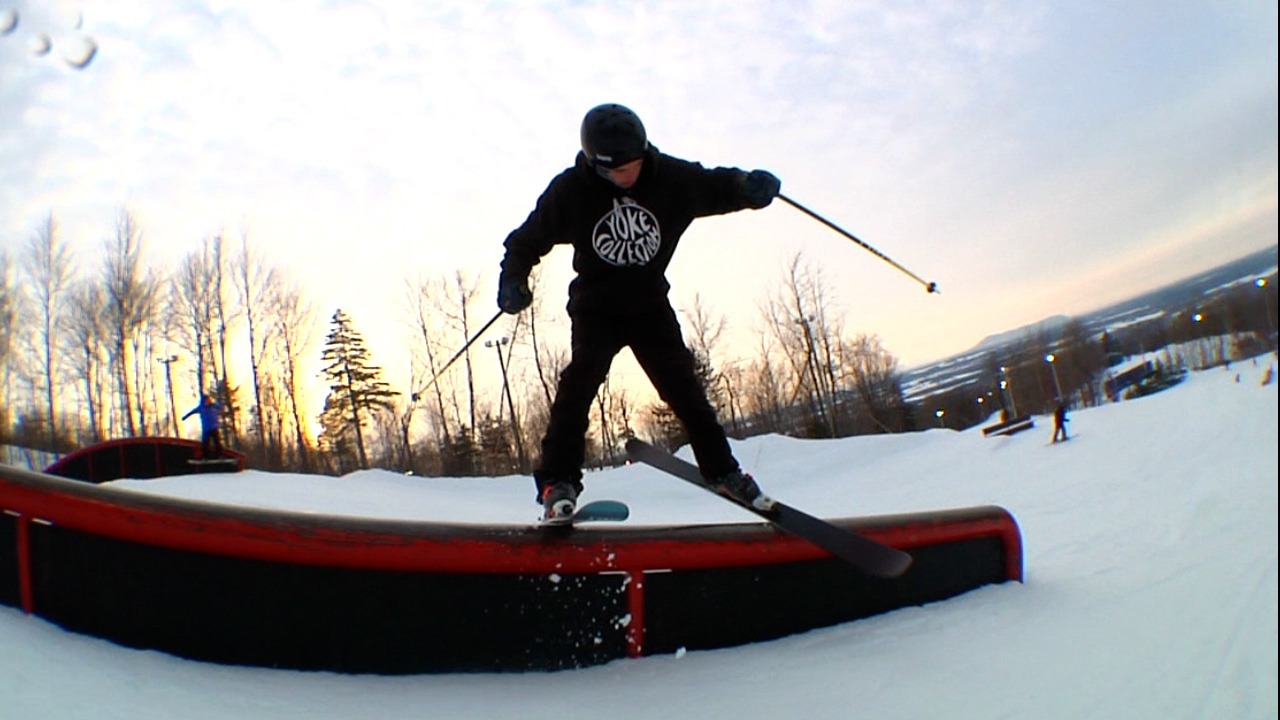
While traditional disciplines remain strong, skiing’s evolution is most visible in terrain parks and freestyle environments. Inspired partly by snowboarding culture, terrain parks introduced rails, jumps, boxes, and halfpipes into ski resorts. These spaces allow skiers to experiment, innovate, and redefine what is possible on snow.
In 2026, terrain parks are no longer niche attractions—they are central features at many resorts. Young skiers gravitate toward these creative playgrounds, drawn by the opportunity to film tricks, share content online, and build personal styles. Social media has amplified this cultural shift, turning individual runs into global showcases.
Freestyle skiing now blends sport and art. Athletes push boundaries with complex rotations and technical rail combinations. Events such as slopestyle competitions capture massive audiences and continue to expand skiing’s appeal to younger generations.
Backcountry Adventures and Hybrid Snow Sports
Beyond groomed slopes and constructed parks lies another growing frontier: backcountry skiing. For experienced skiers seeking solitude and untouched powder, backcountry routes offer freedom and immersion in nature. Advances in avalanche safety gear, navigation technology, and lightweight equipment have made these adventures more accessible—though still demanding respect and preparation.
Backcountry skiing represents a return to skiing’s original spirit: self-reliance and exploration. Unlike resort skiing, it requires careful planning, knowledge of snow conditions, and physical endurance. For many enthusiasts, this connection to the raw mountain environment is deeply rewarding.
At the same time, hybrid snow sports continue to emerge. Ski touring, ski mountaineering, and cross-disciplinary activities blend elements of alpine, climbing, and endurance sports. These hybrids reflect a broader trend in modern recreation—participants want versatility and experiences that challenge multiple skills.
Technology Transforming the Slopes
Modern skiing in 2026 is shaped by innovation. Equipment has evolved dramatically from the heavy wooden skis of ancient times. Today’s skis are crafted from lightweight composites, carbon fiber layers, and precision-engineered materials that enhance stability and control.
Boots are more comfortable and customizable than ever, while bindings prioritize both performance and safety. Smart wearables track speed, distance, vertical drop, and even technique analysis. Skiers can review performance metrics after a run, much like athletes in other high-tech sports.
Resorts have embraced technology as well. High-speed lifts reduce wait times, while snowmaking systems ensure consistent coverage despite changing weather patterns. Mobile apps help visitors navigate trails, monitor conditions, and connect with instructors. These advancements make skiing more accessible to beginners while enhancing performance for experts.
Sustainability and the Future of Skiing
Climate change presents one of the greatest challenges to skiing’s future. Shorter winters and unpredictable snowfall have prompted resorts to adopt sustainable practices. Renewable energy initiatives, water-efficient snowmaking, and conservation programs are increasingly common.
Many ski destinations now emphasize environmental responsibility as part of their brand identity. Protecting mountain ecosystems is not just a moral imperative—it is essential for the sport’s survival. In this way, skiing’s future depends on balancing growth with stewardship.
Community engagement also plays a role. Programs that introduce children to skiing, adaptive sports initiatives for athletes with disabilities, and diversity efforts help ensure that the slopes remain welcoming to all.
A Sport for Every Generation
One of skiing’s greatest strengths is its cross-generational appeal. Grandparents who grew up skiing traditional alpine trails can share the experience with grandchildren experimenting in terrain parks. Families gather for winter vacations that combine recreation, relaxation, and shared memories.
Beginners find welcoming environments with professional instruction and beginner-friendly terrain. Advanced athletes discover ever-expanding challenges, from competitive circuits to backcountry expeditions. This adaptability keeps skiing relevant across decades.
In 2026, skiing is not confined to one identity. It is at once historic and modern, serene and adrenaline-fueled, individual and communal.
Tradition Meets Tomorrow
Skiing’s journey from wooden planks to high-tech equipment reflects humanity’s broader story—innovation built upon tradition. The sport’s origins remind us of resilience and ingenuity, while its modern evolution showcases creativity and technological progress.
Classic alpine skiing, cross-country routes, and freestyle disciplines continue to anchor the sport. Meanwhile, terrain parks, backcountry exploration, and hybrid snow sports push its boundaries. Together, they form a dynamic ecosystem that honors the past while embracing the future.
As long as snow falls and mountains stand, skiing will endure. Rooted in ancient necessity yet thriving in contemporary culture, it remains a sport that connects generations, landscapes, and aspirations. In the balance between tradition and innovation, skiing finds its enduring strength—and its limitless future.
Generated by Chat GPT