Follow
Snow skiing has always held a special place in winter sports culture, blending athleticism, adventure, and the pure joy of gliding across snow-covered mountains. As we move into 2026, skiing continues to evolve—shaped by new technologies, environmental awareness, changing travel habits, and a growing global audience. While the heart of skiing remains rooted in tradition, the experience today is smarter, more inclusive, and more sustainable than ever before.
A Sport Rooted in Tradition, Thriving in the Future
Skiing’s origins stretch back thousands of years, when early civilizations used wooden planks to travel across snowy terrain. Over time, it transformed into a recreational activity and competitive sport enjoyed worldwide. In 2026, this deep heritage still resonates, but modern ski resorts now offer experiences that cater to both purists and first-time skiers.
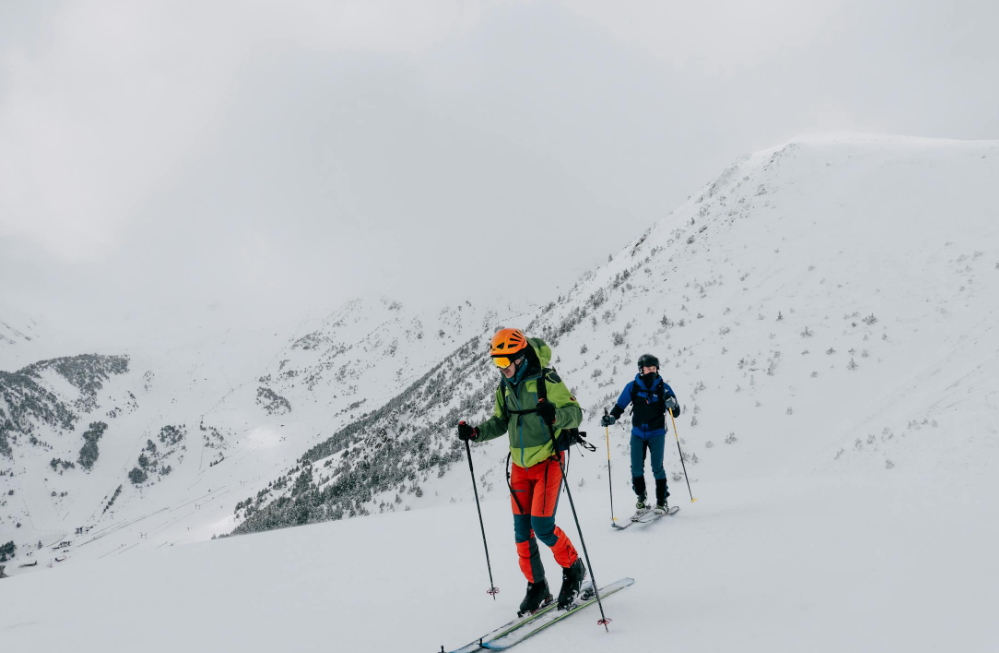
Classic alpine skiing, cross-country skiing, and freestyle disciplines remain popular, but today’s skiers are just as interested in terrain parks, backcountry routes, and hybrid snow sports. The blend of tradition and innovation keeps skiing relevant to every generation.
Technological Advancements Changing the Slopes
One of the most noticeable changes in snow skiing by 2026 is the role of technology. Smart gear has become a major part of the skiing experience. Many skis now feature lightweight composite materials that enhance flexibility, control, and speed while reducing fatigue. Boots are more customizable than ever, with heat-moldable liners and micro-adjustments for precision fit.
Wearable technology is also common on the slopes. Skiers use smart helmets, GPS trackers, and performance apps to monitor speed, elevation, vertical drop, and technique. These tools not only improve performance but also enhance safety by providing real-time location tracking and emergency alerts.
Ski resorts have embraced technology as well. AI-driven lift management systems reduce wait times, mobile apps provide live slope conditions, and contactless passes make access smoother and more efficient.
Sustainability and Eco-Friendly Skiing
Climate change has significantly influenced how skiing operates in 2026. Resorts and manufacturers alike are prioritizing sustainability to protect the future of winter sports. Snowmaking systems are now more energy-efficient, using less water and electricity while producing higher-quality snow in marginal conditions.
Many ski resorts rely on renewable energy sources such as wind, solar, and hydroelectric power. Eco-friendly lodging, reduced single-use plastics, and conservation programs are increasingly standard rather than optional.
Skiers themselves are more environmentally conscious. Sustainable ski clothing made from recycled materials has gained popularity, and travelers often choose resorts with strong environmental commitments. This collective effort helps ensure that snowy mountains remain accessible for future generations.
Accessibility and Inclusivity on the Slopes
Snow skiing in 2026 is more inclusive than ever before. Resorts are expanding adaptive skiing programs for individuals with disabilities, offering specialized equipment and trained instructors. These initiatives open the sport to a broader audience, reinforcing skiing’s reputation as an activity for everyone.
Beginner-friendly slopes, multilingual instruction, and flexible lesson formats—such as short sessions or virtual pre-lessons—help reduce barriers for newcomers. Families, older adults, and urban travelers are finding skiing more approachable than in previous decades.
The Rise of Ski Tourism and Global Destinations
Ski tourism continues to thrive in 2026, with destinations across Europe, North America, and Asia drawing international visitors. Traditional ski hubs like the Alps, the Rockies, and the Japanese Alps remain iconic, but emerging destinations are gaining recognition for affordability and unique cultural experiences.
Travelers now look for more than just great snow—they want immersive experiences. Ski resorts offer wellness spas, gourmet dining, cultural festivals, and off-slope adventures such as snowshoeing and winter photography. This shift transforms ski trips into holistic winter vacations rather than purely athletic getaways.
Competitive Skiing and the Influence of Media
Professional skiing remains a major influence on the sport’s popularity. International competitions, including alpine racing, freestyle skiing, and ski cross, continue to captivate audiences in 2026. Advances in broadcasting technology—such as drone footage and immersive camera angles—bring fans closer to the action than ever before.
Social media plays a huge role in shaping ski culture. Athletes, influencers, and everyday skiers share breathtaking runs, behind-the-scenes training, and resort highlights, inspiring new participants and fueling interest worldwide.
Safety and Skill Development
Safety has become a central focus in modern skiing. Helmets are widely worn, and many resorts enforce safety guidelines more strictly than in the past. Improved trail marking, real-time weather updates, and avalanche monitoring systems help reduce risks, particularly in off-piste and backcountry areas.
Skill development is also more structured. Ski schools now use video analysis, simulation tools, and virtual coaching to help skiers refine technique faster. Whether someone is learning their first turns or mastering advanced carving, instruction in 2026 is more effective and personalized.
The Future Outlook for Snow Skiing
Looking ahead, snow skiing in 2026 stands at an exciting crossroads. While environmental challenges remain, innovation and collective responsibility are shaping a sustainable path forward. Skiing continues to balance adrenaline and serenity, competition and leisure, tradition and progress.
For seasoned skiers, the sport offers better performance, comfort, and safety. For newcomers, it’s more welcoming and accessible than ever before. And for the global community, skiing remains a powerful reminder of the beauty of winter landscapes and the importance of preserving them.
Snow skiing in 2026 is not just about sliding down a mountain—it’s about connection. Connection to nature, to culture, to technology, and to one another. As the sport evolves, it continues to inspire adventure, resilience, and respect for the environment. Whether you’re carving fresh powder, exploring a new resort, or simply enjoying the alpine atmosphere, skiing remains one of the most exhilarating and enduring winter experiences in the world.
Generated by Chat GPT